GlobalAIRules is an independent, non-partisan initiative working to translate Isaac Asimov’s Three Laws of Robotics from science fiction into a practical safety framework for real-world Artificial Intelligence. We are not a government body, and we are not a tech company. We are engineers, researchers, policy watchers, and ordinary citizens who share one conviction: AI should never be allowed to develop faster than our ability to keep it safe.
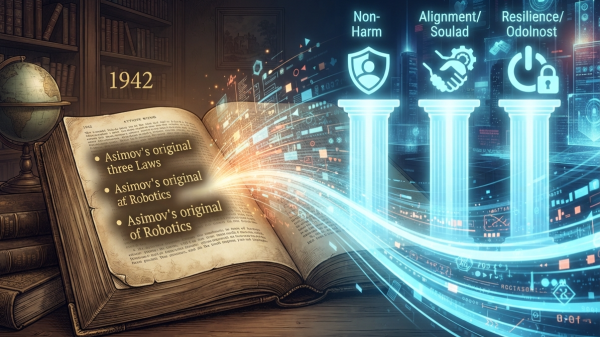
In 1942, Isaac Asimov imagined a future where intelligent machines needed built-in rules to keep humans safe. For decades, this was fiction. In 2026, it is an engineering requirement. Frontier AI models can now write code, control physical systems, manage financial transactions, and act with growing autonomy. The gap between what AI can do and what AI should be allowed to do is widening every month — and regulation is struggling to keep pace.
We didn’t invent a new philosophy from scratch. We took the clearest, most widely recognized safety framework in modern culture — Asimov’s Three Laws — and asked a simple question: what would it take to actually build these principles into today’s AI systems? That question is the foundation of everything on this site.
To be clear about our scope: GlobalAIRules is focused exclusively on the safety and governance of artificial intelligence and autonomous systems. We do not take positions on unrelated religious, philosophical, or political questions — our mandate begins and ends with making AI safe for everyone.
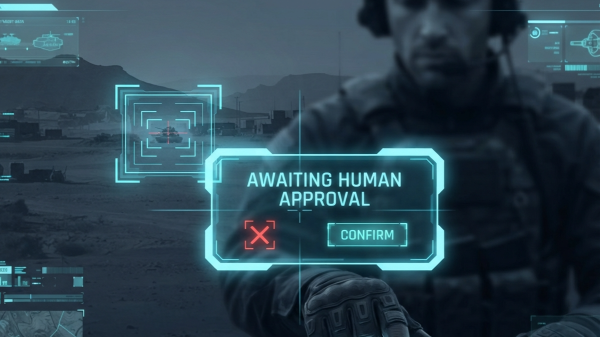
We believe that within our lifetime, AI systems will make decisions that used to require a human being — in hospitals, courtrooms, power grids, and battlefields. We believe those systems must be built on a foundation of non-negotiable safety principles, understandable by the people they affect, and always subject to human control. Three simple laws will not solve every problem AI creates. But they are a starting point every government, lab, and citizen can rally around — a shared minimum below which no system should ever fall.

Robot nesmí ublížit člověku nebo svou nečinností dopustit, aby bylo člověku ublíženo.
Robot musí poslouchat příkazy dané lidmi, kromě případů, kdy by tyto příkazy byly v rozporu s Prvním zákonem.
Robot musí chránit sám sebe, pokud tato ochrana není v rozporu s Prvním nebo Druhým zákonem.